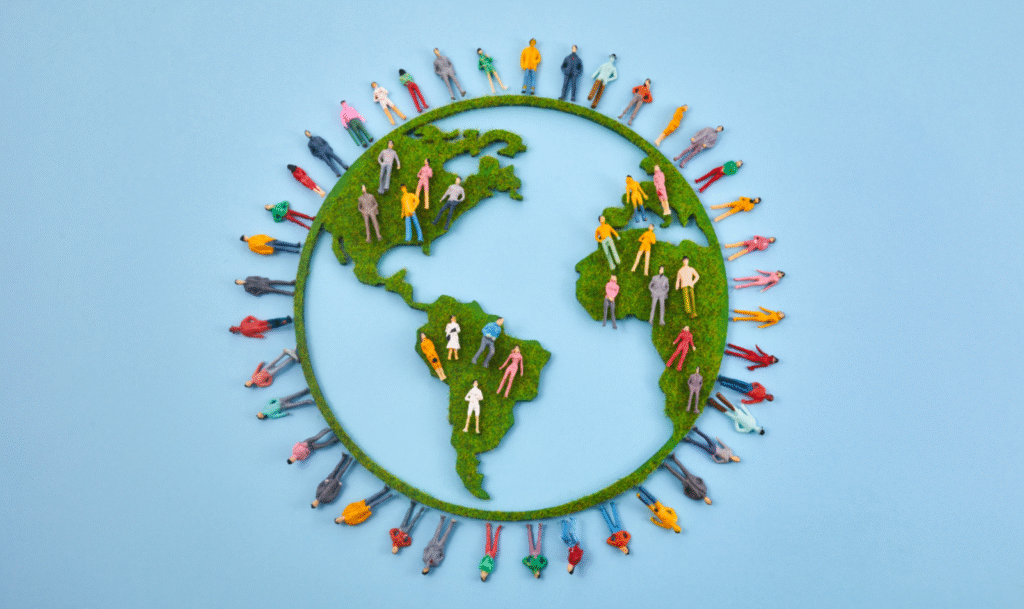
Health connects people across all borders, and organisations such as the WHO lead the way in shaping policy and driving global health initiatives.
However, how do medical students and doctors start their journey into International medicine?
In this article, we share what international medicine is, explore opportunities to get involved, and provide insights from Dr Cat Davison (a Senior Medical Leader with experience across Defence, the UN, NATO, and the private sector), who also reviewed this article.
🤔What is International Medicine?
Often used synonymously with global health, international medicine encompasses a variety of careers focussed on clinical services, health literacy and population targeted policy. Spearheaded by the WHO, initiatives include:
- Assembly of aid in the context of natural disasters, pandemics and humanitarian crises.
- Influencing global healthcare legislation.
- Establishing better health equity through distribution of medication.
- Harnessing data and scientific innovation to tackle new healthcare problems and mitigate the spread of disease.
Many dream of being able to make an impact that reverberates across the globe; a career in the WHO can make this a tangible opportunity.
Understanding the World Health Organisation (WHO)
The WHO is a worldwide organisation, founded in 1948. WHO is under the United Nations (UN), and its aim is to ‘look after the health and wellbeing of people around the world‘.
WHO coordinates international public health issues and emergencies, with over 150 field offices worldwide with its headquarters in Switzerland.
For example, the WHO played a leading role in the eradication of smallpox, the near-eradication of polio, and the development of an Ebola vaccine.
💡It provides technical assistance to countries, sets international health standards, collects data on global health issues, and serves as a forum for scientific or policy discussions related to health.
Understanding the United Nations (UN)
The United Nations (UN) is an international organisation founded in 1945 to promote peace, security, and cooperation between countries. It brings together 193 Member States and works across global priorities including health, humanitarian aid, development, human rights, and climate change.
The UN operates through a range of specialised agencies and programmes, such as WHO, UNICEF, UNDP, and UNHCR, with offices and operations worldwide. Its headquarters are in New York.
💡Through its agencies, the UN coordinates humanitarian responses, supports international development, sets global standards and norms, and provides a forum for international cooperation and policy-making.
🌍Roles Available to Doctors in the WHO and UN
Doctors can take on a wide range of roles within the WHO and UN that go beyond traditional clinical practice, blending healthcare delivery, public health, policy, leadership, and administration. Unlike conventional medical careers, many of these positions do not follow a set training pathway, and entry is based on a mix of clinical experience, public health exposure, leadership skills, and international or humanitarian work rather than a specific qualification.
As Dr Cat Davison said, “The important thing is to make thoughtful choices. Accept that your path may not look like everyone else’s, and give yourself time to work out what actually suits you. In this field, steady judgement and reliability tend to matter more than speed.”
Medical Doctor (United Nations Development Programme)
This job is multi-faceted, stating a variety of clinical, administrative and public health responsibilities. From liaising with local health authorities, leading clinical emergencies and managing medical evacuations, this role provides scope to make an impact on a therapeutic and bureaucratic level. Sought after doctors include but are not limited to:
- Anaesthetists
- Intensive care specialists
- Emergency and trauma medics
- Those with surgical experience
- Those with pre-hospital care experience
- Those with previous international medical experience (desirable not required)
MSF, an international humanitarian organisation, provides career opportunities in these specialties and beyond, in across 75 countries worldwide.
Medical Officer (WHO)
Medical officers at the WHO are further categorised into more specific positions. There is a focus on different branches ranging from emergency care mobilisation, specialist global health intervention and direct patient care.
Leadership and Managerial roles
With experience working as medical officers within organisations, and as skills and professional knowledge develop over time, doctors may have the opportunity to progress into leadership and managerial roles. Clinicians bring valuable expertise, credibility, and frontline insight to these positions, making their perspectives essential for effective decision-making, programme oversight, and strategic leadership within global health organisations.
Emergency Risk Management:
As medical officer, you would be leading interventions that allow the growth of WHO Member States in instances of emergency where national efforts are compromised or overwhelmed. This could be detecting and containing epidemic/pandemic outbreaks, providing adequate care for affected populations, ensuring they have timely access to health services and finally integrating international health responses.
Public Heath Specialists
- Communicable disease specialist: tasked with the control and eradication of diseases such as tuberculosis, malaria, HIV, hepatitis and vector-borne diseases.
- Epidemiologist: collect and analyse health data to investigate health issues, track disease outbreaks, and inform public health interventions
- Program Manager/Policy Advisor: Doctors can take on leadership and strategic roles, guiding the direction of health programs, managing teams, and liaising with ministries of health and international stakeholders.
- Environmental Health specialist: use data on environmental factors such as air and water quality, sanitation and climate change to advance policy. Another key area of this job is engaging with international agencies and stakeholders to advocate for action on climate and health.
- Nutritional health specialist: this officer would be responsible for nutrition assessments, strengthening the infrastructure available for treating severe acute malnutrition, improving feeding practices and supporting nutrition surveillance.
Direct Patient Care
Depending on a programme’s focus, the WHO can employ individuals from specific disciplines such as paediatrics, obstetrics and gynaecology and psychiatry as physicians who would help achieve the taskforces’ goals.
🎯Why get involved?
- You are passionate about serving a healthier, more equitable world.
- Health issues that constrict a population’s potential, such as maternal health, vaccination and communicable disease surveillance are at the forefront of your medical mission.
- Liaising with sectors outside of the medical field interests you, eg governments, charities and universities, solidifying a desire to present yourself across multiple disciplines for international health.
- You are interested in using evidence-based medicine in developing policy.
- The international workforce appeals to you, introducing you to the medical practice of several different cultures.
- Continued career progression with six ‘Professional’ levels up to ‘Director’ level, offering a structured plan for aspiring candidates.
- Competitive salaries.
🚀Opportunities to Pursue at Medical School
Students for Global Health (SFGH) is a charity linked with several universities across the UK, using their platform to tackle national and global health inequalities through education and advocacy.
Becoming a part of this society in your university provides a myriad of opportunities, one of the most useful being National Conferences. These events provide insight on different population health issues, interactive workshops, guest speakers who are experts in the field and plenty of networking opportunities. Being a committee member in your university’s SFGH society can open leadership avenues within the global health field, offering valuable experience for a prospective WHO candidate.
Friends of Medecins sans Frontieres (FoMSF) is a student-led charity, campaigning and promoting awareness about global health issues and humanitarian crises. Being part of this society fosters real-world understanding of current medical affairs alongside working innovatively to raise money for this charity. Opportunities can also include networking interactions with MSF doctors, providing great insight as to understanding the scope of a medical officer’s work.
✈️Electives
Arguably the pinnacle of the med school experience, electives offer a window into specialties of your choice. In its most literal sense, the world is your oyster. So what better way into global domination than an international medicine elective?
SfGH is in partnership with an organisation called Medact and have designed a gateway into a medical placement for 4+ weeks, addressing public health research and advocacy. In the past, students have researched how NHS charges have impacted public health, directly benefitting the Medact campaign.
The Electives Network is also committed to providing global health placement and research projects with organisations grounded in their ethical values. They also provide a course on the core concepts of global health, aimed at foundation doctors.
🎓Intercalate!
Several universities offer Public Health and Global Health Bachelors and Masters degrees. This provides an opportunity to deepen your academic understanding on policy and epidemiology.
Universities offering this at a Bachelors level include:
- University of Dundee
- Queen Mary University of London
- Imperial College London
- University College London
- University of Manchester
- University of Bristol
Universities offering this at a Masters level include:
- London School of Hygiene & Tropical Medicine (LSHTM)
- St George’s, University of London
- Queen’s University Belfast
- Queen Mary University of London
🌐WHO Opportunities
WHO Internship Programme: This competitive programme offers participants to gain first-hand experience of WHO’s operations and global health initiatives. Internships are specific to different departments of the WHO, from specialising in Mental Health to working with the Global TB initiative. The ultimate goal of this programme is to nurture a pool of healthcare professionals that understand the operational frameworks of the WHO whilst achieving the global health goals set out by the team.
London Model WHO: Fancy a go at being a WHO delegate? The London Model WHO is a simulation conference, that allows the assembly to draft resolutions for real global health issues. Past topics have included Global Mental Health, Women’s and child health, conflict and health and this year’s theme is Digital Health. Find out more from their LinkedIn and keep an eye out for delegate ticket sales.
💡Top Tips
- Start small, think global: get involved in relevant societies at medical school to reinforce your interest and build credibility early on.
- Accelerate using your elective: use this precious time to figure out whether international medicine is something YOU want to pursue. And of course earn CV brownie point by participating in meaningful experiences across the globe.
- Become a networking warrior: all you need to do is meet the right person at the right time. Attend conferences and events with intention- this can open the door for mentorships and further collaborations.
- Don’t get cold feet: imposter syndrome is always the monster under the bed for all medics; it’s easy to feel underqualified in any discipline. Internships and other opportunities can be achieved with passion, determination and a desire to learn. As Dr Cat Davison said, “almost everyone starts out feeling under qualified. That usually reflects an understanding of how complex the work is, rather than a lack of ability.”
💬Expert Insights with Dr Cat Davison
We were honoured to hear from Dr Cat Davison, who generously shared insights from her dynamic and inspiring career.
Dr Cat Davison has extensive experience when it comes to international health. A Senior Medical Leader with a record of shaping health systems across Defence, the United Nations, NATO, and the private sector, aligning mission delivery with sustainable impact.
Her career spans the Royal Air Force, Iqarus (International SOS Group), the United Nations through UNHCR and UNMISS, and now NATO.
- What first drew you to international and humanitarian medicine?
Working outside the traditional clinical setting was appealing because it strips medicine back to its essentials. When systems, scans, and technology are limited, what remains is clinical judgement, teamwork, ethical reasoning, and the ability to make clear decisions under constraint. The challenge is to offer the best possible care with what is available rather than what would be ideal, in settings where options are limited, and support cannot be assumed.
Humanitarian and international medicine requires constant ethical judgement, balancing individual care against population-level impact. At its core, it is about doing the most good for the most people while maintaining professional standards and clinical integrity in environments where control is often limited. The work also sits at the intersection of medicine, systems, leadership, risk management, and human behaviour, which makes it fundamentally different from purely clinical practice and intellectually demanding in a different way.
2. How did your clinical background prepare you for roles with NATO, the RAF, and the UN?
Clinical practice develops a way of thinking that is directly applicable to military, operational and humanitarian environments. It trains you to assess risk, make decisions under pressure, and work effectively with incomplete information, all of which are routine features of these settings.
A medical background also provides professional credibility and a stable reference point, even in non-clinical or strategic roles. Although day-to-day patient care may become less central, clinical reasoning remains essential.
The ability to develop a differential diagnosis, test assumptions, recognise early warning signs, and adjust decisions as new information emerges translates directly into operational planning, risk assessment, and policy advice. It also builds tolerance for uncertainty and accountability for outcomes, both of which are critical in complex international organisations.
3. What skills or experiences are most valuable for students or junior doctors aiming to work with organisations like the WHO, UN, or NATO?
Beyond clinical competence, curiosity, humility, and adaptability are essential. Work in these settings involves unfamiliar systems, different cultures, and multidisciplinary teams in which many colleagues are not clinicians, or, if they are, have very different training backgrounds and experiences.
Emotional intelligence matters as much as technical skill. The ability to listen, reflect, and manage yourself under pressure is critical. Teamwork is central to how these organisations function, and very little is achieved alone. Reliability and follow-through tend to count more than titles, and there needs to be an acceptance that the work sometimes comes before personal convenience.
In practical terms, organisations look for safe hands, sound judgement, and people who can work constructively within a wider system rather than standing out individually.
4. What advice would you give to students or early career doctors who are passionate about global health but feel unsure or under qualified to get involved?
Almost everyone starts out feeling under qualified. That usually reflects an understanding of how complex the work is, rather than a lack of ability.
It helps to be realistic about what matters to you at different points in your life. What you want in your twenties may not be what you want in your thirties or forties, and that’s normal.
There’s no need to rush. Many people take a scenic route, building experience gradually and exploring different roles. Early career decisions often feel final, but they rarely are. You walk through a door, and if it turns out not to be the right one, you can usually walk back through it and choose a different direction.
For some people, getting onto the specialist or GP register provides a sense of security and flexibility. For others, different routes work just as well. Many people are entirely content and effective in the roles they choose.
The important thing is to make thoughtful choices. Accept that your path may not look like everyone else’s, and give yourself time to work out what actually suits you. In this field, steady judgement and reliability tend to matter more than speed.
📚Resources
Courses and Programmes Once Qualified
- MSF UK – Global Health and Humanitarian Medicine Course
- Diploma in Tropical Medicine and Hygiene (DTM / DiTMH)
- Course in Conflict and Catastrophe Medicine – Worshipful Society of Apothecaries
Job Roles Descriptions
- Medical Doctor Job Description (UN)
- Medical Officer Job Description (WHO)
- Communicable Disease Specialist Description (WHO)
- Environmental Health Specialist Description (WHO)
- Internship Programme (WHO)
- London Model WHO LinkedIn Page
Humanitarian Medicine and Global Health Organisations
- Médecins Sans Frontières (MSF): read our article here – all about MSF and how to apply!
- International Committee of the Red Cross (ICRC)
- International Federation of Red Cross and Red Crescent Societies (IFRC)
- Save the Children
- International Medical Corps
- UNICEF
- World Health Organization (WHO)
- SFGH webpage
- FoMSF webpage
Thanks for reading! If you have any comments or suggestions, please feel free to share them below and we’ll get back to you as soon as we can!
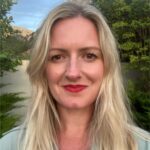
Reviewed by Dr Cat Davison
A Senior Medical Leader with a record of shaping health systems across Defence, the United Nations, NATO, and the private sector, aligning mission delivery with sustainable impact.
Her career spans the Royal Air Force, Iqarus (International SOS Group), the United Nations through UNHCR and UNMISS, and now NATO.