🌱Introduction
Palliative care is an area of medicine that is undoubtedly emotionally confronting. For many of us, it’s the first time death becomes palpable, and cure doesn’t cut it. Prolonging life can turn into preserving dignity, a transition that many of us are unfamiliar with and even unsettled by. After all, death is one of life’s certainties, yet it is a part of medicine encapsulated by fear. This is where palliative care steps in, reshaping the final chapter from one that is defined by vulnerability but rather one where compassion and connection prevail. But where do we gain these experiences, how do we learn from them and how could we become the future of palliative medicine?
🕊️My experience in palliative care
These were all questions I carried into my hospice placement back in March in a not so sunny Scarbados. I had some idea what palliative medicine was in a theoretical sense- pain management through opioids, what kind of anti-emetics you could use and of course the SPIKES framework for breaking bad news. I even did my student selected component in second year on palliative care in a global health context. Equipped with this knowledge, I was curious to see how the principles of palliative medicine would blend with the intricacies of navigating conversations around mortality. Yet the lived experience was far more profound and valuable than anything I had learnt in theory.
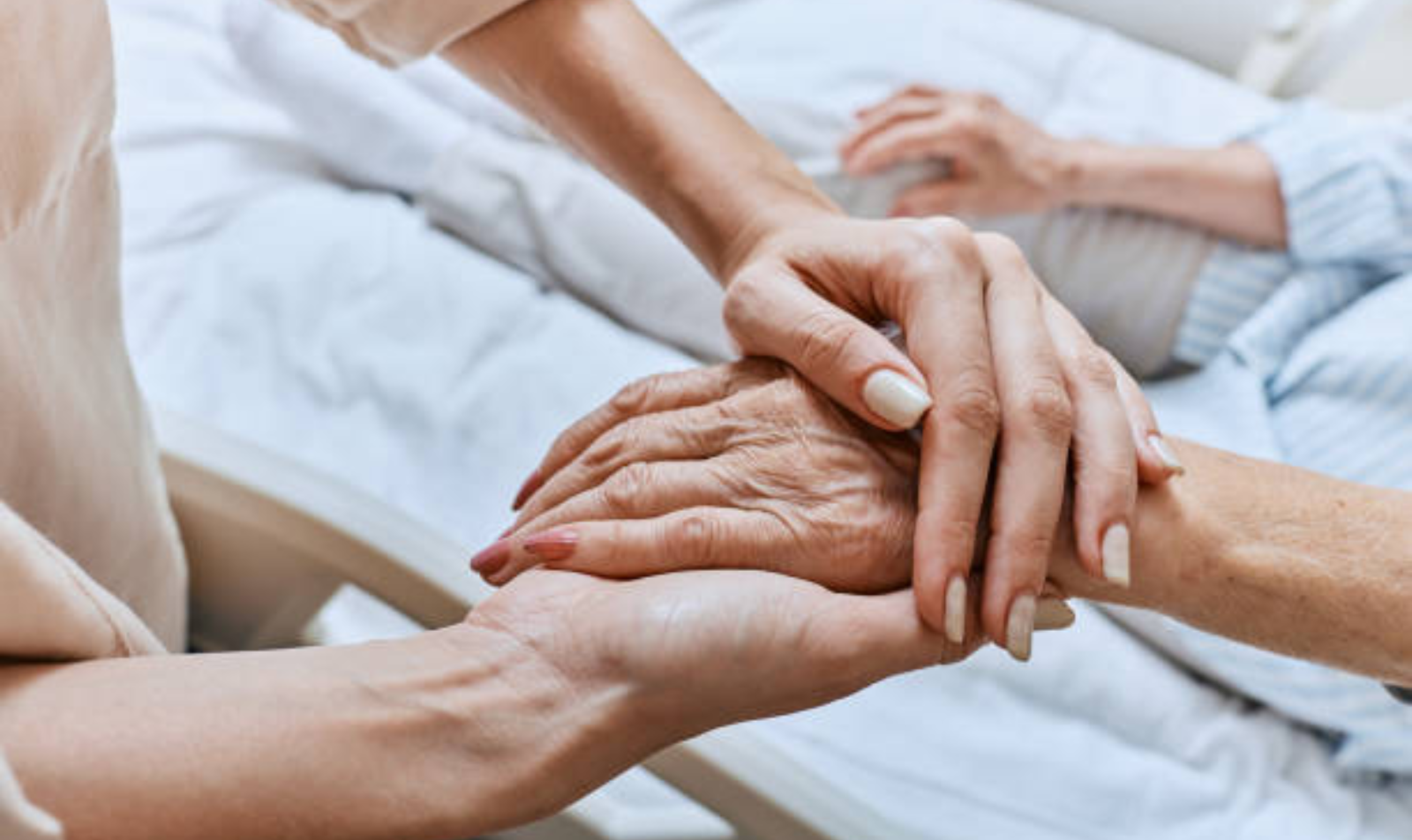
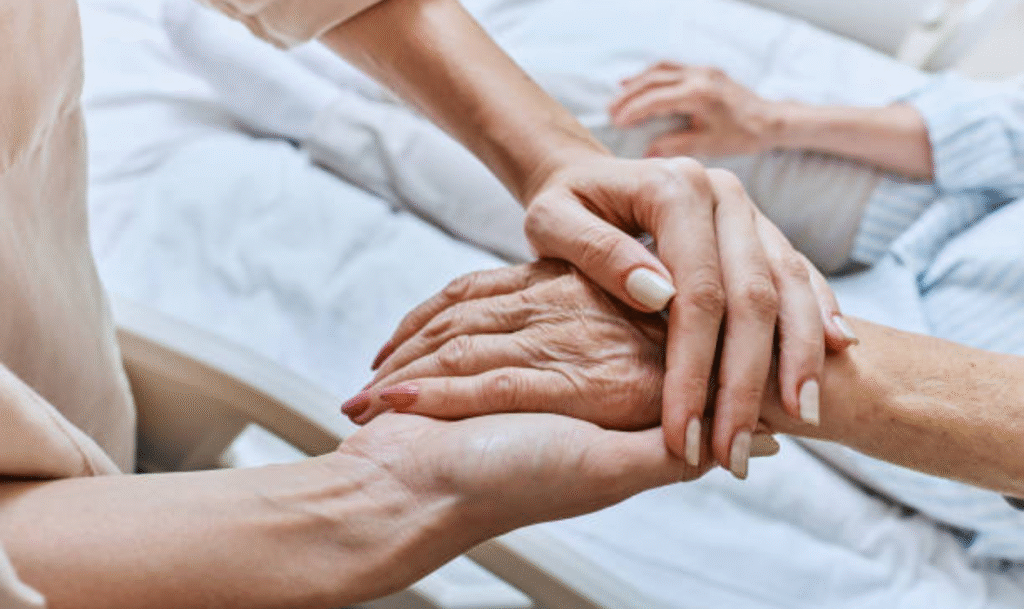
I was lucky enough to shadow the ward round at the hospice and experience my first patient death in this environment. It feels odd to say ‘lucky’ but I was incredibly moved by the serenity of this passing. The resident doctors in the hospice made it a point to speak to all the patients on the ward, regardless of their level of consciousness or whether or not they could respond to them. Even in the patient’s final few moments, the doctor narrated her actions gently, described the patient’s surrounding and offered quiet reassurance with the touch of her hand, reminding us to never neglect a patient’s humanity, as this was a form of care in itself. Though the patient died moments later, I will always be grateful for this experience. As paradoxical as it sounds, death is life’s final event, and this has taught me that it is vital to treat it with the same attention and appreciation as the other moments in a person’s existence.
💡”You only live once? False. You live every day. You only die once.”
🧩The Relevance of Palliative Care in All Aspects of Medicine
Regardless of whether or not you work in palliative medicine, caring for people at the end of their life will always be integral to our role as doctors. A quick look at the GMC’s Outcomes for Graduates highlights this. Core competencies include:
- Managing the uncertainties and emotional challenges of end of life care with the relevant communication techniques.
- Treating patients holistically and recognising how some treatments may become burdensome to a patient at the end of their life.
- Understand the challenges of prescribing at the end of life.
- Balance compassionate intervention with appropriate clinical judgement.
During Foundation years, junior doctors are often the first notice when patients are declining. It becomes their responsibility to navigate substantial conversations surrounding treatment withholding, do not resuscitate decisions, and switching from curative to palliative treatment. The skills learnt from the palliative care specialty does not halt at the hospice. Its reach is boundless, fundamental to the care we provide as doctors regardless of your speciality.
🌟Being a Palliative Care Specialist
Palliative care provides skills for all, but for some it becomes their calling in medicine. The experience of giving patients one of the greatest gifts in life, a peaceful death, can provide immense reward for many doctors. But what does the role of a palliative care specialist entail and how can you get there?
Key responsibilities:
- Aim to provide care for patients with life-threatening illnesses that ameliorates their quality of life for as long as possible.
- Understanding a patient’s medical, psychological, religious and social expectations and needs.
- Anticipating pain and other symptoms patients may face.
- Working on a plan for a patient’s final year of life, so that unnecessary hospital visits can be avoided and patients and their families priorities are heard.
- Working in a multidisciplinary team to care for a patient holistically.
- Supporting patients’ families with the end of life transition and bereavement.
- Provide teaching across other disciplines so that end of life care can be elevated in all specialties.
Skills required:
- Excellent communication ability and emotional nuance.
- Adaptability and problem-solving skills that is tailored to each patient.
- A good leader and team worker.
- Great diagnostic skills from a refined and complete bedside clinical assessment.
- Empathy, compassion and a sense of humour.
Training Pathway
After completing two years of foundation training, you can either:
- complete core training in internal medicine training (IMT)– approximately 3 years
- or acute care common stem – internal medicine (ACCS-IM): approximately 4 years
Then, trainees must complete a dual specialty training programme where they do 4 years of palliative medicine alongside general internal medicine, and one of the years must be spent in acute medicine. Training is across a variety of healthcare environments from hospices and patient homes to emergency departments and acute medical wards.
My experiences in palliative care have reshaped my view of medicine and taught me lessons that I will carry into my career as a doctor. Cure can falter, but the principles of palliative medicine can uplift, alleviate and support regardless of specialty or seniority, a true unsung hero.
📚Resources
The Complete Guide to Becoming a Palliative Care Doctor
Palliative Medicine Training Program
NHS Palliative Medicine Spotlight
Palliative Medicine | The Federation
Joint Royal Colleges of Physicians Training Board Palliative Medicine Spotlight
Acute Care Common Stem (ACCS) pathway vs Internal Medical Training (IMT)
Thanks for reading. If you have any comments or suggestions, please feel free to share them below and we’ll get back to you as soon as we can!